

In 1987, after earning his medical degree from Kobe University, Shinya Yamanaka began a two-year orthopedic residency at Osaka National Hospital. He quickly encountered a major hurdle in the operating room: surgical procedures that experienced colleagues completed in thirty minutes took him two full hours to finish. Beyond his struggle with surgical speed, bedside encounters reinforced his realization that scalpel skills alone could not address complex, irreversible medical conditions.
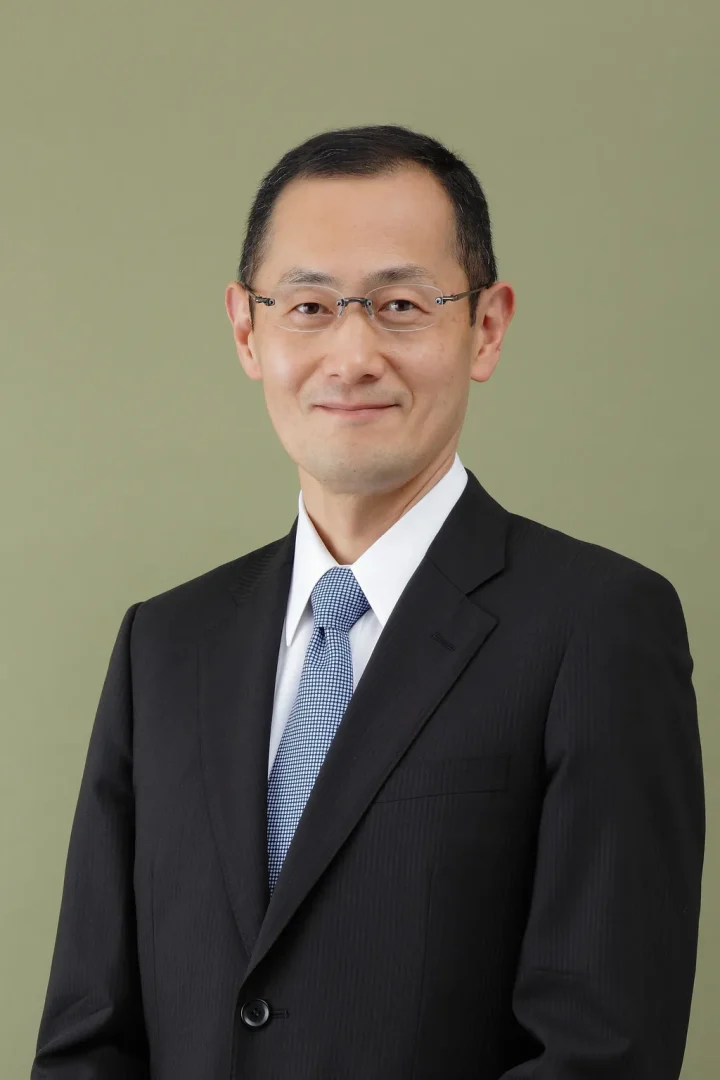
The Struggling Resident and the Bedside Realization
When treating a female rheumatoid arthritis patient, Yamanaka noticed a photograph on her bedside cabinet displaying her cheerful state from a few years earlier. The stark physical contrast shocked him, driving his decision to pivot from surgical practice to basic scientific research aimed at underlying disease mechanisms.
Unexpected Tumors and the Lessons of San Francisco
To build a research foundation, Yamanaka became a Ph.D. student in pharmacology at Osaka City University in 1989, studying blood lipids under Katsuyuki Miura. In 1993, despite Yamanaka's minimal molecular biology background, Thomas Innerarity accepted him for a postdoctoral fellowship at the Gladstone Institute of Cardiovascular Diseases in San Francisco. Yamanaka investigated Apobec1, an enzyme expected to lower blood cholesterol. When he overexpressed Apobec1 in mouse livers, the animals unexpectedly developed liver tumors. Investigating this outcome led him to Nat1, a downstream target altered in the tumors. His subsequent study of Nat1 in mouse embryonic stem cells revealed how stem cells maintain their capacity to differentiate, shifting his primary interest to stem cell biology.
Isolation and the Quest for Reprogramming
Upon returning to Japan as an assistant professor at Osaka City University Medical School, Yamanaka suffered from severe isolation, a period he described as Post America Depression. Tasked with changing mouse cages himself and lacking institutional support for basic stem cell biology, he considered returning to clinical practice. His career turned around in December 1999 when he secured a lab at the Nara Institute of Science and Technology. Mindful of ethical controversies surrounding human embryonic destruction and immune rejection, Yamanaka established a long-term goal: achieving nuclear reprogramming to convert mature somatic cells into pluripotent stem cells without using embryos.
Twenty-Four Candidates and the Birth of iPS Cells
Yamanaka’s laboratory narrowed potential reprogramming drivers to twenty-four candidate transcription factors expressed in embryonic stem cells. Researcher Kazutoshi Takahashi tested these candidates using somatic cells derived from Fbxo15-neoR reporter mice, which express antibiotic resistance only when reprogrammed into an embryonic stem cell-like state. When Takahashi transfected the reporter fibroblasts with individual candidates via retroviruses, no drug-resistant colonies formed. However, introducing all twenty-four factors simultaneously yielded drug-resistant colonies that mirrored embryonic stem cells in structure, proliferation, and pluripotency.
By proving that mature skin cells could be converted back into pluripotent stem cells without destroying human embryos, Yamanaka resolved a central bottleneck in stem cell science. His discovery of induced pluripotent stem (iPS) cells transformed cellular biology and tissue engineering, culminating in Yamanaka sharing the 2012 Nobel Prize in Physiology or Medicine.
Cover: AI-generated editorial illustration; not a documentary photograph.
Source: Nobel Prize
Shinya Yamanaka
 SIGNAL TITANS
Leave a Reply