
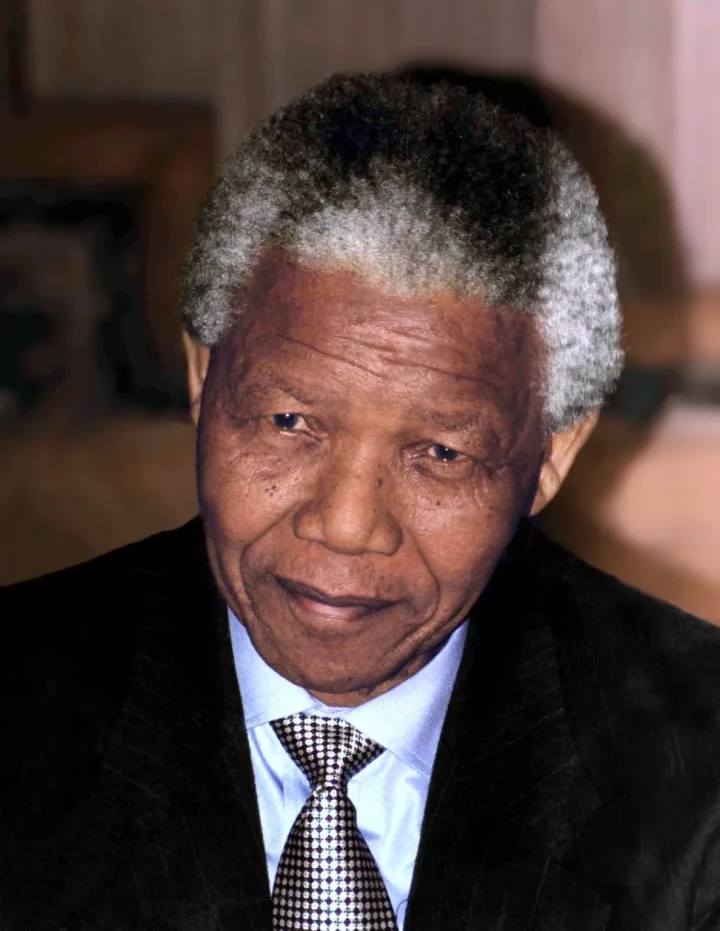
On 11 February 1990, Nelson Mandela walked out of prison after 27 consecutive years of detention, concluding an incarceration that began with his arrest in 1962. Born Nelson Rolihlahla Mandela on 18 July 1918 in Mvezo, South Africa, he was the son of a village chief from the Tembu tribe. Mandela trained as a black lawyer and joined the African National Congress (ANC) liberation movement to challenge the nation's system of state-enforced racial segregation.
The Escalation at Sharpeville and the Covert Underground
For years, opponents of racial segregation pursued peaceful protest. However, a major turning point occurred in 1960 when South African police killed 69 black demonstrators during an anti-apartheid protest in Sharpeville. The massacre convinced the ANC to adopt armed struggle against white minority rule. The movement chose Mandela to command its new covert guerrilla organization, Spear of the Nation. Drawing inspiration from armed liberation struggles in Algeria and Cuba, the underground organization conducted targeted sabotage against state infrastructure, focusing specifically on bombing power lines and railway tracks.
Two Decades on Robben Island
State authorities arrested Mandela in 1962. Two years later, in 1964, he was convicted of treason and conspiracy against the regime and sentenced to life imprisonment. Authorities sent Mandela to Robben Island, a prison location situated 12 kilometers off the coast of Cape Town that had been used as a penal site since the 1600s. Confined to Robben Island until 1982, Mandela transformed into the imprisoned symbol of the liberation movement, maintaining moral authority while opponents around the world rallied under the chant "Free Nelson Mandela!"
Secret Negotiations and Release
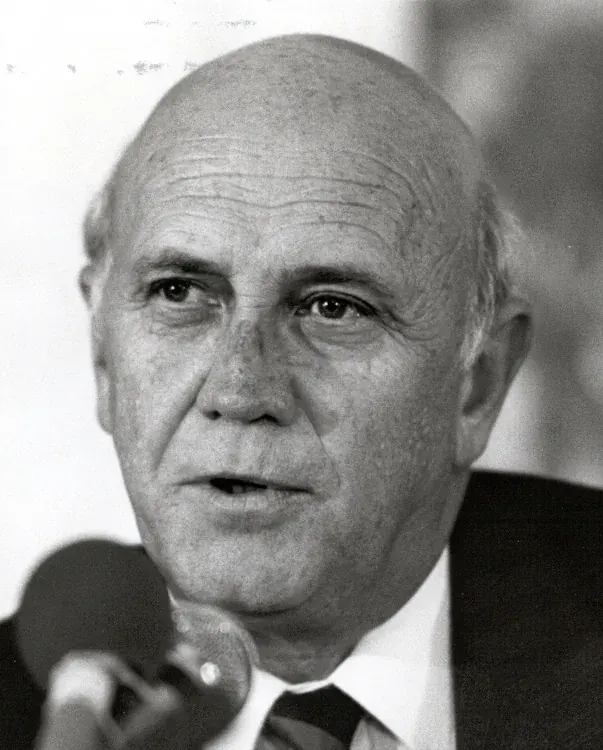
In 1982, government officials transferred Mandela from Robben Island to a prison facility on the South African mainland. That relocation marked the start of secret diplomacy: while remaining incarcerated, Mandela began confidential negotiations with white minority government representatives on the country's political future. Talks continued over eight years while domestic resistance and international pressure intensified. The process culminated after President Frederik Willem de Klerk took office and opted for political transition. On 11 February 1990, de Klerk granted Mandela an unconditional release, allowing him to leave prison alongside his wife Winnie Mandela after 27 years of captivity.
The Joint Nobel and Democratic Transition
Mandela and President de Klerk subsequently negotiated the peaceful transition to democratic majority rule. On 15 October 1993, the Norwegian Nobel Committee announced that Mandela and de Klerk would jointly share the Nobel Peace Prize. On 10 December 1993, Committee Chairman Francis Sejersted presented the medals to both men in Oslo. In 1994, the ANC won South Africa's parliamentary elections, and Mandela served as president from 1994 to 1999, presiding over a new constitution that established equal rights and launched social reforms that provided electricity and clean water to many impoverished citizens. To address historical injustices, South Africa established the Truth and Reconciliation Commission in 1996, using public hearings to examine abuses committed under apartheid.
According to the Nobel Foundation historic account, Mandela completed his presidential term in 1999 without seeking to retain power. By retiring with honor, he cemented South Africa's transition from decades of minority rule to an enduring democratic constitutional framework built on national reconciliation.
Cover: AI-generated editorial illustration; not a documentary photograph.
Source: Nobel Prize
Nelson Mandela
 SIGNAL TITANS

Leave a Reply