

Scientific achievement is often told as a story of relentless effort: the researcher who stays latest, works through every weekend, and treats exhaustion as evidence of commitment. But according to the Nobel Prize account “How hard do you need to work?”, laureates describe a more measured path. Hard work matters, yet sustained discovery also depends on knowing when to concentrate, when to rest, and when to turn attention elsewhere.

The work does not happen alone
The source offers several anecdotes that complicate the image of the scientist isolated from ordinary life. Françoise Barré-Sinoussi spent time in the laboratory on the morning of her wedding. After his first daughter was born, Michael Brown went back to see Joseph Goldstein to discuss the next day’s experiments. These episodes show dedication, but they do not establish that personal sacrifice is the formula for achievement. The same account emphasizes family and friends as relationships worth actively maintaining.
For some laureates, professional and personal responsibilities also overlapped. Many medicine laureates began as doctors while running research projects, and Brian Kobilka worked in an emergency room while continuing his laboratory work. The account also notes that he made time for his family. The broader lesson is not that every researcher should copy these arrangements. It is that a demanding career still exists within a larger life, supported by people and commitments beyond the laboratory.
Rest is part of the process
Sleep can look like time taken away from progress, especially when an experiment is close to an answer. Oliver Smithies advised against that trade-off. The source presents sleep, exercise, and eating well as activities that can conflict with long hours, while also describing sleep as important for health and for the brain’s ability to generate ideas and solve problems.
The guidance is flexible rather than absolute. Elizabeth Blackburn suggested that priorities can shift for short periods: family, work, and sleep do not all need to receive identical attention every day. A researcher may focus intensely on one responsibility for a time, then rebalance. That view leaves room for demanding seasons without turning them into a permanent standard.
Failure needs more than endurance
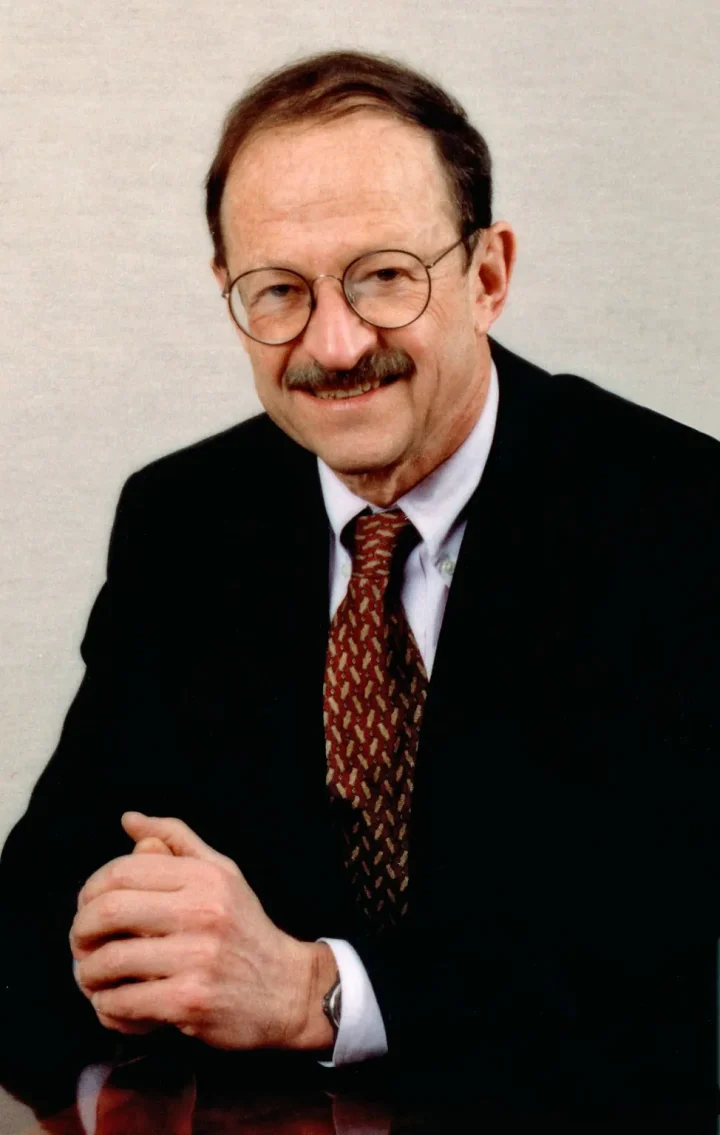
Failure is built into research because experiments explore what is not yet known. A result may fail because the technology is unavailable, the theory is wrong, or the protocol needs improvement. The source describes laureates managing that uncertainty by pursuing multiple lines of experimentation, including some less risky work. Harold Varmus advised working on two experiments at once and maintaining interests outside the laboratory, giving motivation somewhere to go when one project stalls.
Finally, the account warns against confusing hours with effectiveness. Paul Nurse observed that working too hard can narrow thinking and keep a person moving in the same direction. A walk or a deliberate pause may create distance from a problem and make another approach visible. The editorial lesson is modest but useful: effort is a tool, not a moral test. Discovery may require persistence, but it also needs enough space for perspective, relationships, and a mind capable of changing course.
Cover: AI-generated editorial illustration; not a documentary photograph.
Source: Nobel Prize
How hard do you need to work?
 SIGNAL TITANS
.JPG)

Leave a Reply