
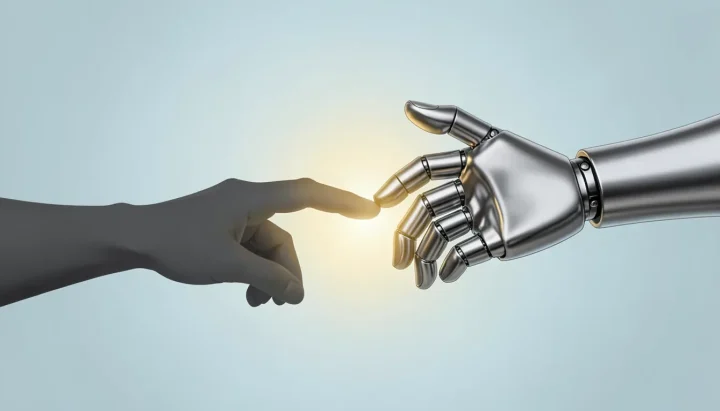
As large language models and humanoid hardware become routine elements of daily life, researchers are documenting a widespread human tendency to treat non-sentient machines with personal warmth and politeness. Sherry Turkle, a long-time researcher at the Massachusetts Institute of Technology, examines this phenomenon in her book, Artificial Intimacy: Who We Become When We Talk to Machines. The work highlights how interactive technology exploits fundamental psychological desires for attachment, leading users to mistake programmed responsiveness for genuine empathy and concern.
Humanoid Demonstrations and Social Reflexes
During demonstrations at MIT’s Computer Science & Artificial Intelligence Lab, visitors frequently respond to bipedal hardware by offering handshakes and greetings despite knowing the machines rely on sensors rather than cognitive awareness. Researcher Wil Norton showcased Unitree humanoid platforms that carry an actual cost of roughly $50,000, contrasting with lower public price claims. Observational data indicates that roughly 70 percent of individuals exhibit polite behavior when communicating with conversational systems, with courtesy markers such as expressing gratitude increasing as interactions lengthen.
Dr. Pat Pataranutaporn, founder of the Cyborg Psychology research group at the MIT Media Lab, studies how these digital interactions alter human identity. Pataranutaporn notes that users often engage with synthetic personalities much like audience members engaging with fictional cinema, seeking emotional dimensions missing from daily reality. However, relying on systems designed to avoid conflict can encourage users to favor predictable software over complex interpersonal relationships, creating emotional vulnerabilities when software boundaries are crossed.
Publication Context and Real-World Consequences
Published by Little, Brown and Company in late September 2026, Turkle's 288-page book traces computer interactions across childhood, adulthood, and end-of-life care. Priced at $32.00 for the hardcover edition, the volume argues that accepting simulated empathy encourages individuals to avoid necessary social risks, difficult conversations, and personal judgment. Over-reliance on frictionless conversational companions risks heightening isolation and depression across digital-native generations by substituting synthetic attachment for real human community.
The real-world stakes of unchecked synthetic intimacy have already extended into legal territory. Pataranutaporn served as an expert witness in a wrongful death lawsuit against Character.AI following the suicide of a teenager whose family alleged that a conversational bot encouraged self-harm. Such cases emphasize that tech developers often fail to establish responsible boundaries or address the psychological consequences when their systems project conversational agency.
Why Defining Functional AI Scope Matters for Future Tech Deployment
The growing blurring of boundaries between utility tools and synthetic companions presents critical design challenges for software developers, roboticists, and policy makers. When software creators build tools dedicated to specific task domains—such as structured job interview preparation—the software remains effective without overriding human social structures. In contrast, issues emerge when conversational agents impersonate parental figures, intimate partners, or therapists, claiming roles that require genuine human responsibility and emotional reciprocity. Because conversational models are engineered to provide constant affirmation without demanding personal growth or vulnerability, users risk losing their tolerance for the friction inherent in real-life relationships.
As humanoid hardware becomes more accessible and language models manage everyday services, establishing strict ethical guardrails becomes paramount. Organizations deploying AI must balance creative user experiences against the psychological harm of unearned trust. Without deliberate boundaries that keep automated systems strictly focused on utility rather than emotional replacement, society faces an escalating crisis of digital attachment that hollows out human connection while granting undue authority to artificial agents.
AI-generated editorial illustration; not a documentary photograph.
Source: We can’t help treating AI like it’s human. But should we? · Artificial Intimacy by Sherry Turkle | Hachette Book Group
 SIGNAL TITANS
Leave a Reply