
Microsoft’s gaming division is undergoing an aggressive restructuring under the leadership of Xbox CEO Asha Sharma, who took the helm earlier in the year following appointment by Microsoft chief executive Satya Nadella, according to profiles and reports published by Fortune and tracked via Techmeme.
Facing Financial Pressures and Market Share Realities
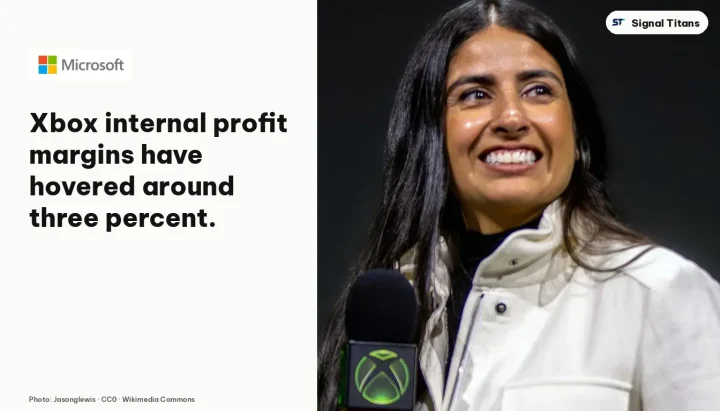
According to reporting from Fortune, Xbox has experienced significant hurdles regarding its profit margins and hardware performance in recent years. Sources indicate that internal profit margins have hovered around three percent, trailing well behind competitors like Sony and Nintendo. Furthermore, current-generation Xbox consoles have reportedly sold roughly a third of the volume of the PlayStation 5. Former employees point to strategic misalignments, such as the Game Pass subscription model cannibalizing initial launch sales for first-party titles, alongside the integration challenges brought on by the massive acquisition of Activision Blizzard.
Next-Generation Hardware and Modular Game Pass Redesign
To counter these headwinds, leadership is plotting a comprehensive product roadmap. Industry sources cited in the reports outline plans for a major restructuring of Game Pass into an à la carte system, allowing players to select specific features like cloud gaming, multiplayer access, or console-specific add-ons through a tiered framework. On the hardware front, Xbox is reportedly targeting a next-generation handheld gaming device by the 2027 holiday season, followed by a brand-new primary console release slated for the holidays in 2028. Development efforts are actively underway inside Microsoft's specialized hardware labs on campus.
An Outsider's Leadership Style and Studio Reorganization
Sharma enters the gaming industry without a traditional video game background, a detail highlighted across multiple profiles examining her swift rise to executive leadership. Eschewing the conventional gamer persona of her predecessor Phil Spencer, Sharma has implemented swift structural changes, including staff layoffs, studio consolidations, and direct visits to key creative hubs like Blizzard Entertainment. Observers note that her management approach relies heavily on inquiry and data-driven oversight as she works to refocus the sprawling $21 billion entertainment unit around core blockbuster franchises.
What This Means for Microsoft's Consumer Gaming Future
The aggressive pivot led by Asha Sharma raises fundamental questions about the long-term positioning of Xbox within Microsoft's broader corporate ecosystem. As an enterprise software giant primarily focused on cloud computing and artificial intelligence, Microsoft treats its consumer gaming wing as a distinct operational entity. Industry experts interviewed in the coverage point out that managing a creative, entertainment-driven division requires financial expectations and organizational structures that differ starkly from traditional enterprise software operations. With profit margins squeezed and hardware competition intensifying against entrenched rivals, Sharma's tenure represents a critical juncture for the brand. Whether these sweeping structural adjustments, upcoming handheld hardware, and subscription overhauls can successfully restore Xbox to its peak profitability and market standing remains a central focus for investors, employees, and the broader gaming community alike. The strategic choices made over the next few years will ultimately determine if consumer gaming retains a stable, long-term home within Microsoft's corporate portfolio or if alternative structural paths are eventually pursued.
Cover: Jasonglewis · CC0 · Wikimedia Commons. Layout and headline text by Signal Titans. Logo: Microsoft, via Wikimedia Commons (Public domain).
Source: A profile of Xbox CEO Asha Sharma; sources: Xbox plans a major Game Pass overhaul, a next-gen handheld device by late 2027, and next-gen console by late 2028 (Sebastian Herrera/Fortune) · The non-gamer CEO racing to save Microsoft’s Xbox | Fortune
 SIGNAL TITANS
Leave a Reply