
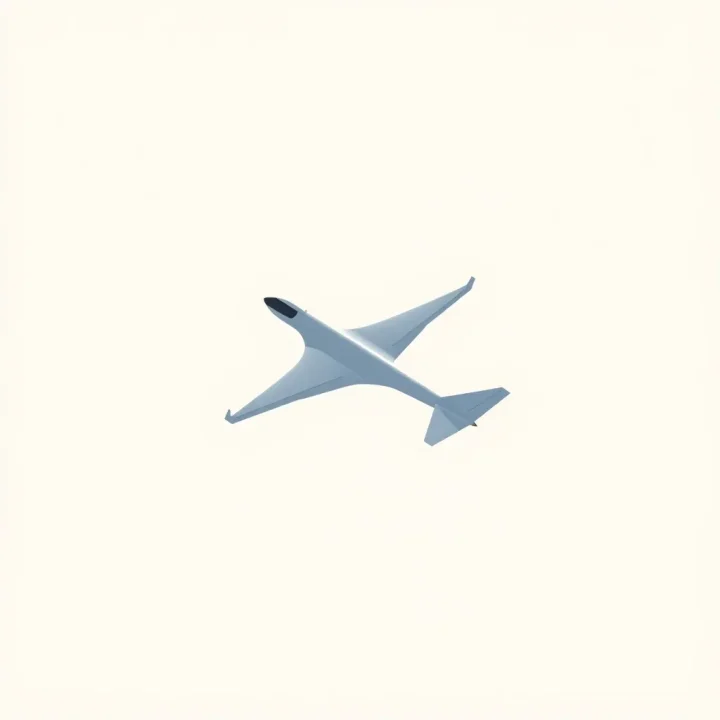
The next major change in air travel may not arrive as a dramatic new aircraft or a faster route. It may emerge through quieter, more deliberate changes in the way an airplane is shaped, powered, and tested. NASA’s ultra-efficient aviation work points toward a future in which familiar assumptions about flight are open to redesign.
A Different Kind of Progress
According to NASA, the agency is working with other organizations to help future airliner designs achieve up to 30% less fuel use. That goal brings together several areas of research, including innovative aircraft shapes and electrified propulsion. Each idea addresses a different part of the challenge, but together they suggest a broader rethinking of commercial flight.
The significance is larger than a single percentage. Fuel efficiency is often discussed as an incremental engineering problem: improve one component, reduce one source of drag, or refine one operating procedure. NASA’s description presents something more ambitious. The aircraft itself becomes a system whose shape and propulsion technology must be considered together.
When the Shape of Flight Changes
Aircraft design carries a long history of compromise. Wings must generate lift, the fuselage must carry people and cargo, and propulsion must provide dependable power. Ultra-efficient aviation asks what might happen when those established relationships are reconsidered. A different silhouette can become more than a visual statement; it can be an engineering response to the demands of efficiency.
NASA’s aeronautics program highlights research connected with new wing concepts, longer and narrower wings, truss-braced designs, and other approaches. The supplied account does not present these efforts as a finished replacement for today’s airliners. Instead, they represent active research into what future aircraft could look like and how they might perform.
Technology With a Responsibility
Electrified propulsion adds another dimension to the effort. It reflects the possibility that making aviation more sustainable will require changes in how aircraft generate and use power, not only improvements to their external shape. The work is therefore both technical and practical: finding ways to make flight more economical while addressing its environmental cost.
The lesson is editorial rather than predictive. Large advances can begin with patient research into forms that initially seem unfamiliar. NASA’s ultra-efficient aviation program offers a picture of innovation as a sustained collaboration, combining new shapes, new propulsion ideas, and flight research in pursuit of a more responsible way to move through the air.
AI-generated editorial illustration; not a documentary photograph.
Source: Ultra-Efficient Aviation
 SIGNAL TITANS
Leave a Reply