
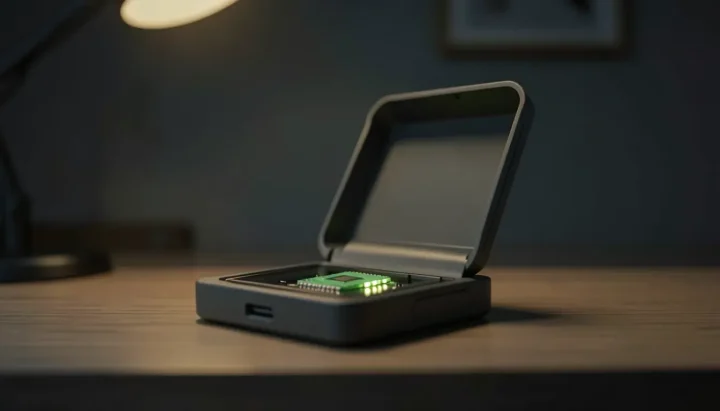
A major security breach has compromised multiple Ledger hardware wallets, resulting in tens of millions of dollars in stolen cryptocurrency. According to reports from PC Gamer and detailed on-chain tracking by YFarmX, losses are estimated between $86 million and over $103 million across hundreds of affected addresses, following a sophisticated supply chain attack linked to an authorized regional reseller.
Reseller-Linked Compromise Exposes Global Reach
The security incident centers around devices distributed by CryptoBilis, an authorized Ledger reseller based in Malaysia that also serves other regions in Southeast Asia. Ledger confirmed during its investigation that at least one impacted user's device contained an unauthorized hardware modification. While initial disclosures focused primarily on Southeast Asian buyers, newer user reports suggest that affected hardware wallets may also have reached consumers in Europe, potentially involving models beyond the Nano X. In response to the unfolding crisis, Ledger requested that the reseller immediately pause all device sales and shipments while investigations continue alongside relevant authorities.
Inside the Hidden Hardware Modification
Physical inspection and disassembly of compromised hardware wallets revealed a high level of sophistication in how the attack was executed. According to hardware reports, the device internal battery was removed to create physical space for a tiny custom microchip. This unauthorized implant was meticulously soldered directly behind the screen area to intercept display information. By keeping the device original Secure Element intact, the hidden component successfully bypassed standard built-in hardware tampering detection mechanisms. Ledger noted that its routine integrity checks are incapable of spotting physical spying modifications if the core security chip remains untouched.
Multi-Chain Drain and Transaction Execution
On-chain investigations conducted by YFarmX and security analysts revealed that approximately $103.4 million was siphoned from 530 distinct addresses spanning seven different blockchains, with the bulk of the theft occurring on October 9, 2026. The perpetrator utilized multiple methods depending on the network, including rewriting account permissions on Tron, exploiting token approvals, and executing direct batch-processed Bitcoin sweeps. Blockchain telemetry indicated that the attacker had thoroughly tested operator wallets and approval routines for weeks prior to launching the primary wave of thefts.
Why Physical Supply Chain Security Matters for Offline Storage
This incident shatters a fundamental assumption in cryptocurrency security: that offline hardware wallets provide an impenetrable sanctuary against remote theft as long as recovery phrases are kept secret. For years, users have relied on hardware devices to mitigate online risks like malware and phishing, trusting that official distribution channels guarantee device integrity. However, this supply chain compromise demonstrates that physical vulnerabilities introduced long before a device reaches an end user can completely subvert software-level protections. The implications extend far beyond a single manufacturer or reseller. Everyday consumers lack the specialized equipment, technical expertise, or inclination to completely disassemble complex electronics down to the circuit board to verify authentic manufacturing. When malicious implants can successfully spoof device behavior while leaving cryptographic chips intact, standard verification tools become inadequate. This event affects anyone relying on third-party vendors for secure hardware storage, highlighting an urgent need for more robust, verifiable end-to-end supply chain tracking. Moving forward, the crypto community faces difficult questions about how to trust physical hardware when authorized distribution pathways themselves become vectors for sophisticated tampering.
AI-generated editorial illustration; not a documentary photograph.
Source: People are being robbed of crypto by a tiny chip implanted in their hardware, with $100 million said to have been stolen already · Ledger reseller CryptoBilis: $103m wallet theft traced on chain | YFarmX
 SIGNAL TITANS
Leave a Reply