

For many researchers today, microfilm evokes images of dimly lit library basements and tedious mechanical reels. Yet long before it became an archival staple for preserving fragile periodicals, miniaturized media played a central role in military operations and high-stakes intelligence networks.
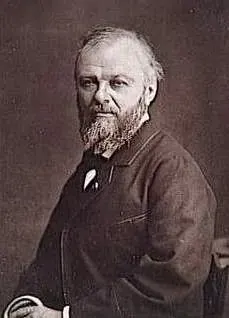
Despatches by Wing
The practical adaptation of microphotography began in the nineteenth century. British scientific instrument maker John Benjamin Dancer pioneered the technique in 1839, later perfecting a method to fix microphotographs onto microscope slides. French optician René Dagron secured the first patent for microfilm in 1859, initially producing popular novelties for Victorian consumers.
The technology transitioned from novelty to necessity during the Siege of Paris in the Franco-Prussian War. Contracted by the head of France’s carrier pigeon program, Dagron developed a process to drastically shrink images of newspapers and official documents. The resulting lightweight film rolls were small enough for carrier pigeons to transport across enemy lines, delivering vital intelligence directly into the besieged city.

Wartime Mail and Resistance Networks
Decades later, during World War II, governments adapted microfilm on a massive scale. Britain and the United States used microfilmed letters to send mail to front-line soldiers, bypassing shipping blockades and saving critical cargo space. U.S. wartime agencies also dispatched librarians and archivists to neutral and occupied regions to microfilm foreign publications and enemy records.
Microfilm also proved indispensable for underground espionage. In occupied Paris, modernist author Samuel Beckett joined the French Resistance group Gloria SMH in 1941. Beckett translated gathered intelligence into French, which was then delivered to a photographer who microfilmed the documents for clandestine transport to London.
An Enduring Legacy
Following the war, microfilm retained its espionage mystique throughout Cold War intrigue while simultaneously solving the postwar information explosion in academia. By compacting fragile, bulky records into durable rolls that could last for centuries, libraries preserved rare international periodicals, trade journals, and government files that might otherwise have been lost.
The trajectory of microfilm illustrates how wartime necessity frequently drives enduring media innovations. A technology initially refined to fly messages across blockades ultimately ensured that fragile historical knowledge survived for future generations.
Cover: AI-generated editorial illustration; not a documentary photograph.
Source: Who’s Afraid of the Microfilm Collection?
 SIGNAL TITANS
.jpg)
Leave a Reply