
Category: Stories & Inspiration
Stories of science, technology, startup journeys and lessons from history.
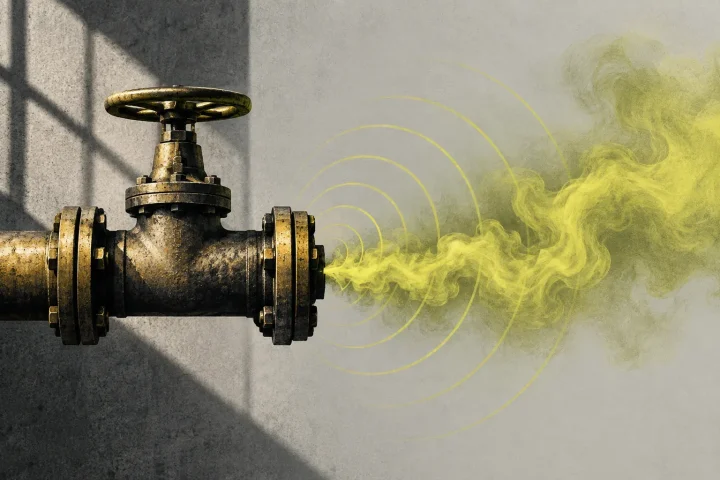
What Danger Smells Like: When Safety Becomes Something We Can Sense
The engineered smell of natural gas offers a compelling lesson in safety: invisible hazards become actionable when technology gives them a recognizable signal.

The Evidence Science Leaves Behind
Scientific history lives in more than famous discoveries: manuscripts, instruments, photographs, interviews, and everyday objects preserve how knowledge was made.
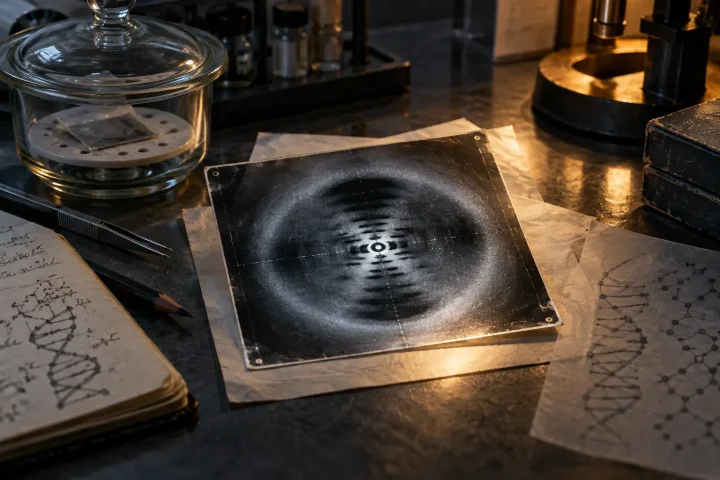
Photo 51 and the Evidence Behind a Scientific Legend
Rosalind Franklin’s Photo 51 becomes more than an icon: an archive reveals the patient measurements, records, collaboration, and disputes behind discovery.

The Toy Soldier That Opens a Door to Scientific History
A painted lead soldier shows how museums preserve ordinary objects that can help researchers trace chemistry through materials and daily life.
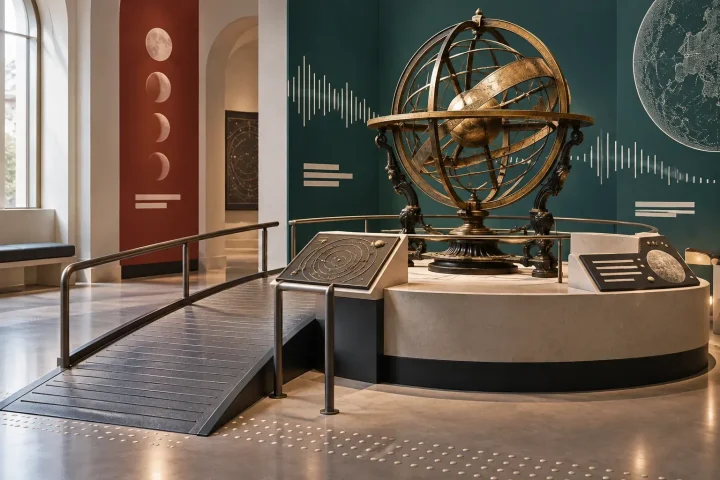
When Accessibility Becomes Part of the Scientific Record
The Science History Institute shows how accessibility can move from a promise on a page to practical infrastructure for participation.

Beyond the Lone Genius: The Women Who Helped Shape Chemistry
A museum program connects Marie Meurdrac and Mary Maynard Daly, revealing how chemistry advances through contributors often left outside the spotlight.

When Obsolete Storage Becomes Cultural Memory
The Computer History Museum and Seagate show why preserving aging storage hardware is essential to keeping digital history accessible.
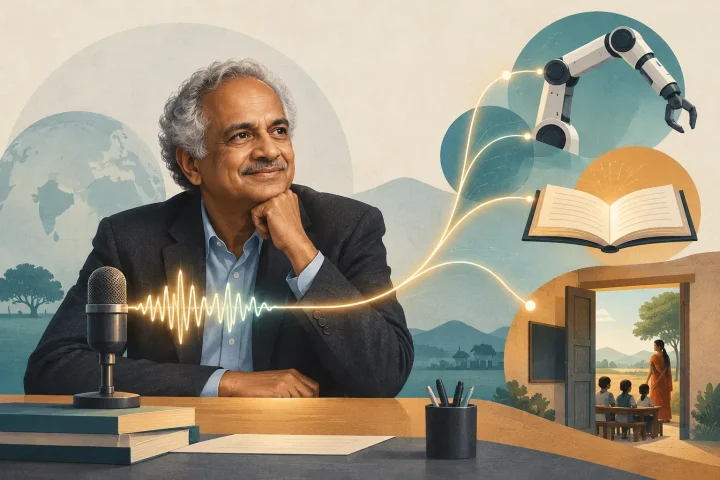
Raj Reddy Built More Than Intelligent Machines
Raj Reddy advanced speech recognition and robotics while building institutions that widened access to education and knowledge.
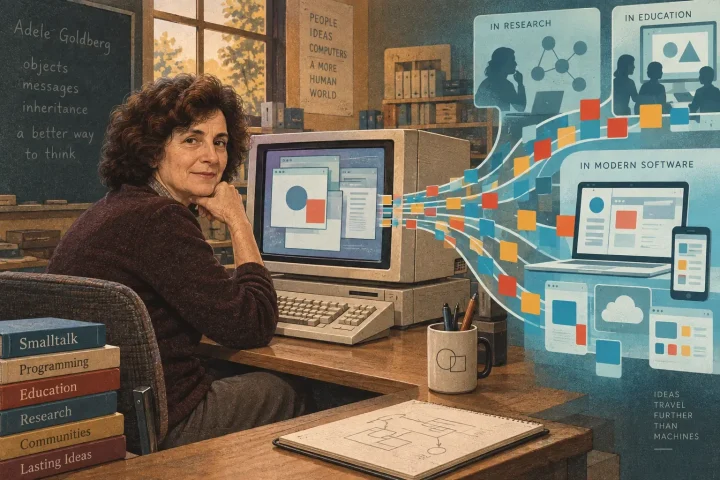
Adele Goldberg and the Work of Carrying an Idea Into the World
Adele Goldberg helped carry Smalltalk from Xerox PARC’s research culture into programming practice, education, documentation and commercial software.

Rodney Brooks and the Case for Intelligence Built Through Action
Rodney Brooks changed robotics by showing how simple machines could produce complex behavior by sensing and responding to the world around them.
 SIGNAL TITANS