
Recent industry reports and hardware evaluations highlight the ongoing architectural and performance challenges surrounding Windows 11 across diverse hardware form factors, ranging from mainstream ultraportable laptops to next-generation gaming consoles.
Internal Tensions Shape Next-Generation Xbox Development
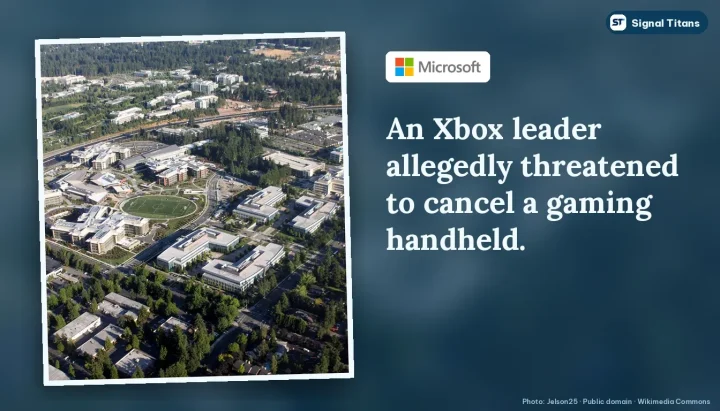
Recent reports reveal significant friction between Microsoft's Xbox and Windows divisions regarding the operating system foundation for upcoming gaming hardware. According to industry accounts, disagreements escalated to the point where an Xbox leader reportedly threatened to cancel a gaming handheld project if it was forced to run standard Windows 11. Although Microsoft has increasingly aligned its software ecosystem across gaming handhelds and consoles, traditional desktop environments often fall short of dedicated gaming demands. Xbox CTO Scott Van Vliet later pushed back against the characterization of the dispute, clarifying that Project Helix's operating system—referred to as Helix OS—is built upon Windows while remaining distinct from a conventional laptop or desktop interface. With Project Helix reportedly delayed toward 2028, Microsoft's hardware strategy appears to favor customized operating systems tailored specifically to console environments rather than a direct port of the Windows 11 desktop.
Mainstream Laptop Performance and Memory Constraints
In the ultraportable laptop sector, hardware evaluations of devices like the Dell XPS 13 (2026) illustrate how Windows 11 operates on modern Intel Wildcat Lake processors. Testing indicates that memory capacity plays a critical role in maintaining system fluidity under everyday workloads. While 16GB configurations deliver smooth multitasking and responsive browser tab switching, 8GB models frequently encounter virtual memory paging and noticeable performance dips during routine tasks. Competing directly against lightweight alternatives like Apple's MacBook Neo, Windows-based ultraportables rely heavily on OS efficiency to deliver competitive battery life and speed. However, hardware reviewers note that minor architectural limitations and port selections—such as omitting headphone jacks or encountering thermal constraints—require consumers to carefully weigh configuration options before purchasing.
Understanding the Strategic Implications of OS Customization
The intersection of gaming hardware disputes and mainstream laptop testing underscores a broader trend: the increasing difficulty of applying a uniform operating system across vastly different computing form factors. For Microsoft, managing the balance between a standardized desktop experience and specialized hardware requirements is a delicate balancing act. When gaming divisions push back against standard desktop environments, it signals that console players and developers demand purpose-built optimizations that traditional operating systems cannot effortlessly provide. Similarly, mainstream laptop users face performance ceilings when operating systems encounter tight hardware constraints, emphasizing that software efficiency is just as critical as raw silicon power. These developments suggest that Microsoft and its hardware partners must increasingly embrace tailored operating system layers—whether custom console software or highly optimized laptop builds—to satisfy user expectations. Ultimately, the willingness to pivot away from a one-size-fits-all Windows desktop approach highlights a mature understanding of hardware limitations, ensuring that future devices are defined by their specific use cases rather than forced platform uniformity.
Cover: Jelson25 · Public domain · Wikimedia Commons. Layout and headline text by Signal Titans. Logo: Microsoft, via Wikimedia Commons (Public domain).
Source: Windows Wrap: Even Microsoft's own XBOX team didn't want Windows 11 · Dell XPS 13 (2026) review: the new bar for mainstream Windows laptop excellence | Tom's Hardware
 SIGNAL TITANS
Leave a Reply